Why skin gets so dry in winter
From November to February, cities such as Delhi, Chandigarh, Lucknow and Jaipur see cold mornings, low humidity and, often, heavy smog. Cold air holds less moisture, so water leaves the skin faster. Room heaters and blowers dry the air indoors even further, and many offices run air conditioning all year.
The result is a weaker skin barrier. This is the outer layer of skin, made of cells held together by lipids such as ceramides, cholesterol and fatty acids. When it is short of those lipids, skin loses water more easily and lets irritants in. That shows up as tightness, flaking, rough patches, itching and stinging when you apply products that felt fine in October.
A good winter routine is not about adding ten new steps. It is about cleansing more gently, putting water back into the skin, and then sealing it in.
How to build a simple winter routine
For most people, four or five steps are enough:
- Morning: rinse with lukewarm water, or use a mild cleanser if your skin is oily.
- Morning: a hydrating serum on slightly damp skin, then a moisturiser.
- Morning: broad-spectrum sunscreen, SPF 30 or higher, as the last step.
- Evening: a gentle, non-foaming or low-pH cleanser to remove sunscreen and pollution.
- Evening: any treatment you use, then a richer moisturiser than you would wear in summer.
Humectants vs occlusives: what is the difference?
Moisturisers work in three main ways, and winter skin usually needs all three.
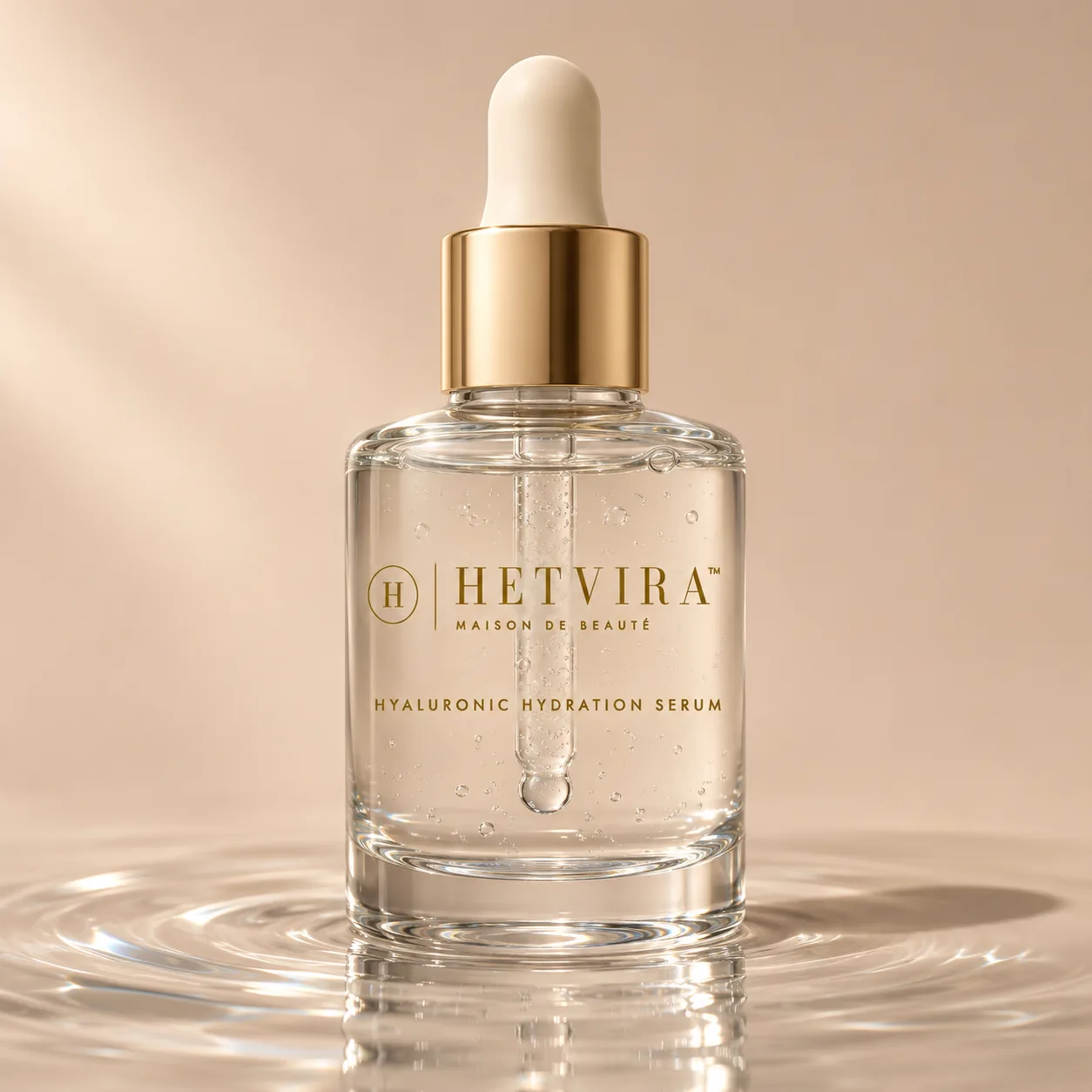
Humectants, such as glycerin, hyaluronic acid and panthenol, attract water and hold it in the upper layers of the skin. They are best applied to damp skin. In very dry air, a humectant on its own can leave skin feeling tight, because there is little moisture around to draw from. That is why a hydrating serum such as our Hyaluronic Hydration Serum should always be followed by a cream.
Emollients, such as squalane and plant oils, fill the small gaps between skin cells so the surface feels smooth and soft. Barrier lipids such as ceramides and cholesterol help to replenish what the skin has lost.
Occlusives, such as petrolatum, shea butter and some waxes, form a thin layer on top that slows water loss. A thin layer of a plain occlusive over your moisturiser at night can help very dry patches on the cheeks or around the nose.
Choosing a moisturiser for winter
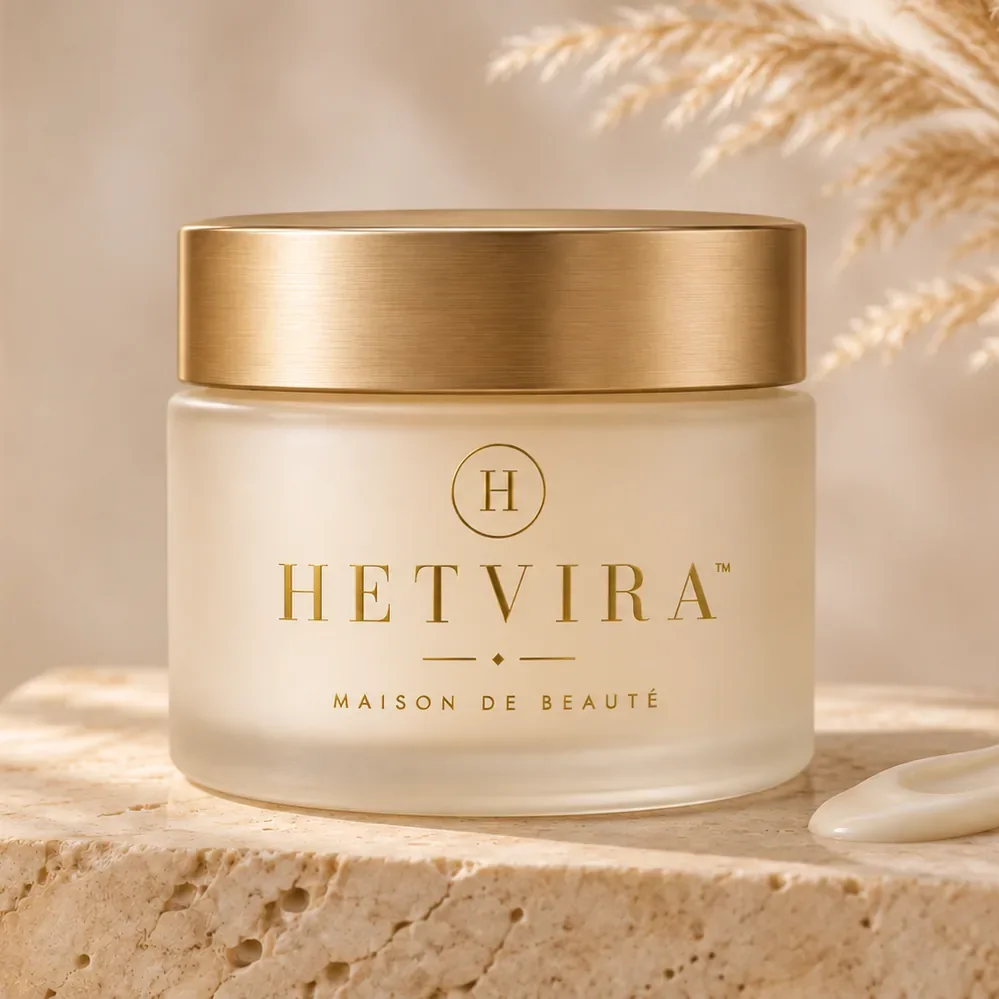
Look for a cream rather than a gel, with ceramides, glycerin and an emollient high on the ingredient list. Fragrance-free formulas are a sensible choice when your barrier is already irritated. Our Dew Veil Moisturiser, for example, combines five ceramides with squalane and a little hyaluronic acid.
Apply moisturiser within a minute or two of washing, while the skin is still slightly damp. Use it morning and night, and reapply on dry patches during the day if you need to. Do not forget your neck, and the backs of your hands, which lose moisture quickly with frequent hand-washing.
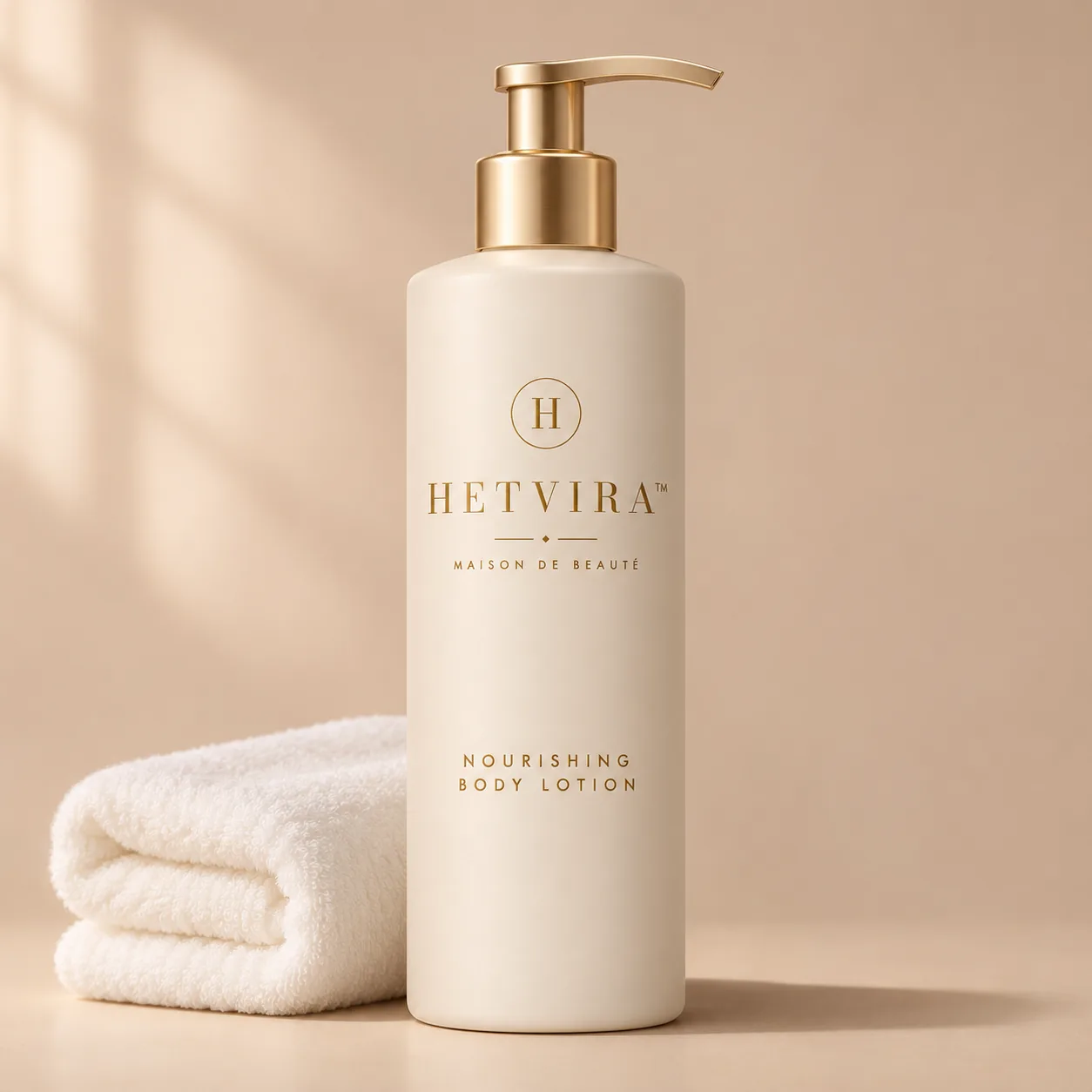
For the body, apply lotion straight after a bath. Urea at low concentrations both hydrates and softens rough skin on the shins, elbows and heels.
Hot water, hard water and long baths
A steaming hot bath feels wonderful on a cold morning, but very hot water strips the skin's natural oils. Keep the water lukewarm, keep showers short, and pat skin dry rather than rubbing.
Many North Indian cities have hard water, which can leave a residue that makes skin feel tighter after washing. A gentle, soap-free cleanser and moisturiser applied straight after washing help more than any single fix. If you can, use a humidifier in the bedroom, or simply keep a bowl of water near the heater.
Do you need sunscreen in winter?
Yes. UVB, which causes sunburn, is lower in winter, but UVA reaches the skin all year, through haze, cloud and window glass. UVA contributes to pigmentation and visible ageing, and pigmentation is a common concern for Indian skin tones. Winter sun on a terrace or at a hill station, especially near snow, can be stronger than people expect.
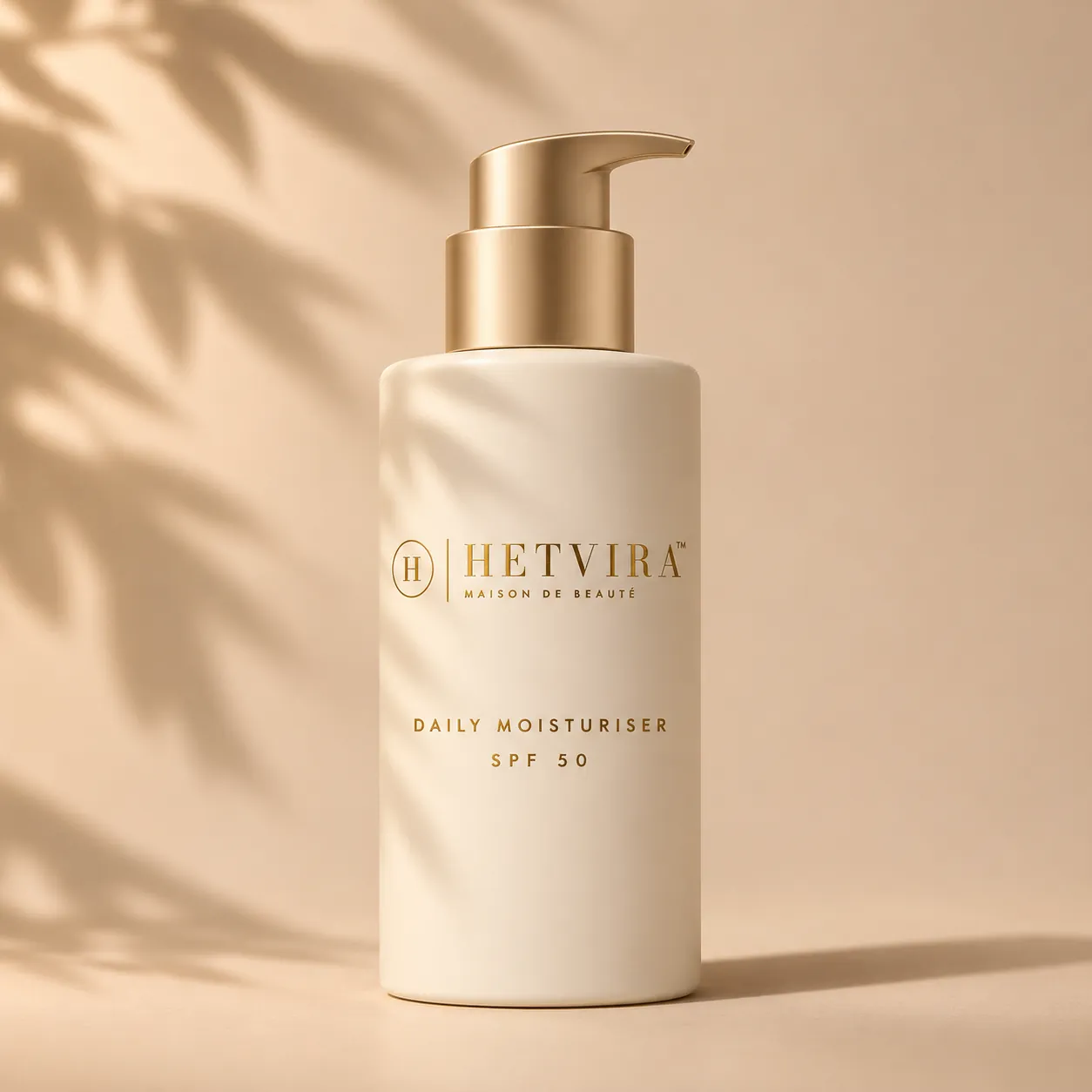
Choose a broad-spectrum SPF 30 or higher. If your skin is dry, a moisturising sunscreen such as our Daily Moisturiser SPF 50 can do two jobs at once. Apply two finger-lengths for the face and neck, and reapply if you are outdoors for long.
How to care for dry, chapped lips
Lips have a very thin barrier and no oil glands, so they chap quickly in cold, dry air. Avoid licking them, because saliva evaporates and leaves them drier. Avoid peeling off flakes.
- Apply a plain balm or petroleum jelly several times a day, and a thicker layer at night.
- Choose fragrance-free balms if your lips sting. Menthol, camphor and strong flavours can irritate.
- Use a balm with SPF outdoors, as lips can burn too.
- If lips crack at the corners or stay sore for weeks, see a doctor, as this can have other causes.
Should you change your actives in winter?
Retinoids and exfoliating acids are more likely to sting and flake when the air is dry. You do not have to stop them, but you may need to use them less often. If you use a retinal night cream every evening in summer, try every second or third evening in winter, and apply moisturiser after it.
Cut back on scrubs and strong peels, and avoid using several exfoliants together. Vitamin C, niacinamide and hyaluronic acid are usually well tolerated through the season. If your skin stings with everything, pause actives for a week, use only cleanser, moisturiser and sunscreen, and let the barrier recover.
See a dermatologist if you have red, itchy, scaly patches that do not settle with moisturiser, cracked skin that bleeds, or a flare of eczema or psoriasis. These may need prescription treatment.
Frequently asked questions
How do I stop my face from getting dry in winter?
Wash with lukewarm water and a gentle cleanser, apply a hydrating serum to damp skin, then seal it in with a cream that contains ceramides or other barrier lipids. Moisturise morning and night, and use a humidifier if you sit near a heater. Cutting back on scrubs and strong actives also helps.
Is hyaluronic acid good for winter skin?
Hyaluronic acid is a humectant, so it draws water into the upper layers of the skin. In dry winter air it works best on damp skin and followed by a moisturiser, which slows that water from evaporating. Used on its own in very dry air, it can leave skin feeling tight.
Do I need sunscreen on cold or cloudy winter days?
Yes. UVA rays reach the skin all year, through cloud, haze and window glass, and they contribute to pigmentation and visible ageing. A broad-spectrum SPF 30 or higher every morning is worth keeping in your routine through winter.
Should I stop using retinol or retinal in winter?
You do not usually need to stop, but you may need to use it less often if your skin flakes or stings. Try every second or third night, apply a moisturiser afterwards, and avoid combining it with exfoliating acids. If irritation continues, pause it and ask a dermatologist.
Is a hot shower bad for dry skin?
Very hot water removes the skin's natural oils and can make dryness and itching worse. Keep showers short and lukewarm, pat skin dry, and apply moisturiser or body lotion within a few minutes while the skin is still slightly damp.
General information, not medical advice. See a doctor for any concern about your health.